
GSSPEKTRUM, THE PROCESS OF IN-VITRO FERTILIZATION
ARTIFICIAL INFECTION TREATMENT SPECTRUM
Artificial insemination, treatment options in Turkey
The Acibadem hospital offers all modern treatments for artificial insemination.
Why infertility?
It is estimated that 15% of the global population is infertile. When no pregnancy occurs after six months of unprotected intercourse, it is considered infertility, which affects millions of couples both mentally and financially. At Acibadem Hospital, doctors are dedicated to addressing this issue, while we also help you overcome any concerns about fertility treatment abroad. The extensive experience and professionalism in this field are reflected in the quality of our treatments. The team believes in the importance of long-term relationships and open communication with patients, turning anxiety into hope and happiness. This relationship starts with a consultation and continues through pre-IVF treatment. Through phone calls and emails, we will fully prepare you for Istanbul. Next, you will be supported by our highly experienced team in Istanbul, where you will have the opportunity to reach us 24/7. After your return, we will continue monitoring you through your gynecologist and, if necessary, provide ongoing support.
Infertility is becoming more common in modern societies. In men, a reduction in sperm count has been observed, caused by toxic substances in the environment and their potential impact on the development of sperm. In women, the increasing age, often due to educational and career reasons, is seen as a contributing factor. The average age for menopause in women is between 48 and 52. Today, we know that women, due to reduced ovarian function, may be infertile several years before reaching menopause.
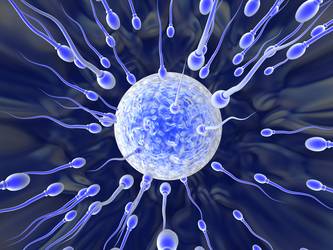
Fertility treatments in Turkey
IVF/ICSI
The IVF/ICSI procedure mimics natural processes. Women receive hormone injections to increase the number of available eggs. The eggs are closely monitored with ultrasound. Once they reach a size of 18mm to 20mm, they are triggered with an HCG injection to complete the maturation process, which happens after 36 hours. At this point, the patients are transferred to the operating room, and under sedation anesthesia, eggs are retrieved via an ultrasound-guided follicle puncture.
Meanwhile, the male partner provides a semen sample. The sperm cells are analyzed, and the most motile and normal ones are selected for use in the IVF/ICSI procedure.
In the standard IVF procedure, eggs are placed in a Petri dish and inseminated with 100,000 sperm cells per egg. The mixture is placed in an incubator, and the eggs are examined for fertilization the next day. Under normal conditions and with good sperm, about 70 to 80% of the eggs are fertilized. The eggs continue to divide, and two days after retrieval, they reach the 4-cell stage. On the third day, the embryos reach the 8-cell stage. On the same day, the three healthiest embryos are selected and transferred into the woman’s uterus using a plastic catheter. In our center, the entire embryo transfer is performed under careful ultrasound observation, allowing for clear visualization of the uterus. The embryos are placed directly 2 cm below the uterine cavity, providing the best chance of pregnancy. Twelve days later, pregnancy tests are conducted.
ICSI
In the IVF procedure, sperm and eggs are placed in the same dish, and it is expected that the sperm will fertilize the eggs. However, if the sperm count is low or the sperm are mostly abnormal, fertilization may not occur. For some unknown reasons, fertilization may even fail to take place despite normal sperm. In the ICSI procedure, individual sperm cells are extracted and injected directly into the egg using a micro-injection, which guarantees fertilization.
Because they eliminate the risk of “failure of fertilization by the sperm,” ICSI procedures are becoming increasingly popular. As ICSI is routinely performed in our clinic, pregnancy rates have increased. Unlike in Western clinics, there are no additional costs for ICSI in our facility.
Sometimes, due to the absence of the congenital duct between the testes and the penis, no sperm cells are found. In such cases, sperm can be retrieved through a testicular biopsy. This is known as the TESE (Testicular Sperm Extraction) procedure. Sperm obtained in this way can also be used for ICSI.
Increasing Pregnancy Rates
To improve the success rate, certain procedures are performed when necessary. For example, some embryos have a thick outer layer, which prevents them from attaching to the inner uterine lining. To solve this problem, a laser is used to thin the outer layer. This is called assisted hatching. In some cases, eggs are not transferred after 3 days but after 5 days to select the best embryos. The 5-day embryo is called a blastocyst, and this procedure is known as blastocyst transfer.
In multiple IVF/ICSI failures, one of the reasons could be chromosomal abnormalities in the embryo. For this, PGD (Preimplantation Genetic Diagnosis) is performed. With this technique, a cell is carefully extracted from the 4-cell embryo and analyzed for chromosomal abnormalities. Embryos with normal chromosomes are then selected and implanted into the woman’s uterus the following day.
In some IVF/ICSI cycles, multiple embryos are created, and after using 3 of them, the remaining high-quality embryos are frozen for later use. Embryo freezing is a highly developed technique today and provides women with another chance for pregnancy. Embryo transfer is much more cost-effective than the regular cycle because it does not require medical treatment, and anesthesia is also not necessary. In case the couple wants another child or if the cycle may not be successful, the embryos can be stored frozen for several years.
All treatment types at a glance:
- IVF
- ICSI
- Criopreservation
- MESA
- TESE (Micro Tese)
- Assisted hatching
- Endometrial coculture
- IMSI
- PGD
- FNA
- Sperm analysis
Treatment procedure:
- Medical stimulation of the ovaries:
The aim is to obtain as many eggs as possible through medical stimulation of the ovaries. This increases the number of fertilized eggs and embryos produced, thereby also increasing the patient’s chances of pregnancy.
At the start of your cycle, you will receive hormone tablets. During this period, the eggs will be monitored using ultrasound and hormone analysis and retrieved before they rupture.
Egg stimulation lasts approximately 12 days. This means you can start taking the tablets in advance
in your country, and on 10. – 11. Tag nach Istanbul verreisen.
- The removal of the eggs:
The eggs are retrieved vaginally using a special needle under light anesthesia and ultrasound guidance. They are then monitored in special containers in the laboratory. Sperm cells are also collected from the partner on the same day.
- Fertilization and development of the embryo:
The eggs are fertilized with sperm cells in the laboratory. The embryo then develops over a period of approximately 3-4 days. Of the developed embryos, only the best are selected for implantation into the uterus of the prospective mother.
- The implantation of the embryo into the uterus:
The healthy, selected embryos are placed in the uterus using a special catheter. Then, they wait for the embryo to implant in the uterus and for a pregnancy to occur.
- Pregnancy observation:
After the embryo transfer, the patient is given progesterone-containing medication to support the pregnancy, and weekly ultrasound examinations and hormone tests are performed. Pregnancy is confirmed based on blood test results around day 12-13 after the embryo transfer.
Psychological support during your treatment
It is understood that, despite advanced procedures, treatment may not always be successful. When it comes to the desire to have children, emotions often run high. Acibadem Hospital wants you to feel comfortable at all times and offers psychological support through specially trained experts.
If you have any more questions, feel free to reach out! We look forward to hearing from you.